
Redundancy Pay at Insolvency: Evidence that Directors’ Claims are facing increased scrutiny by the Redundancy Payments Service
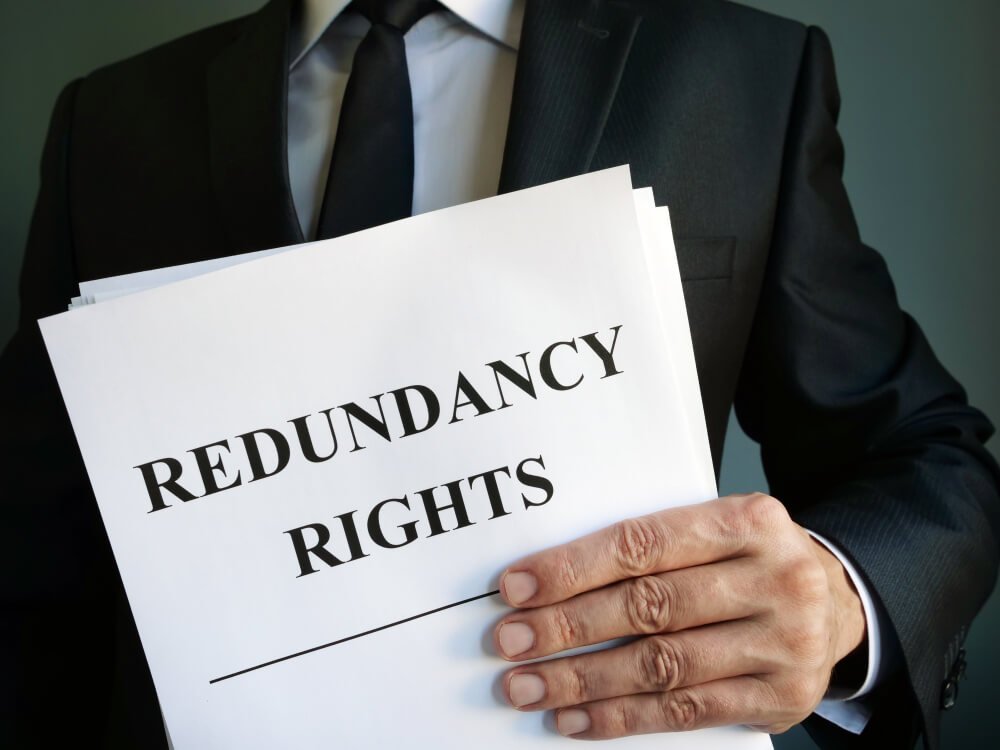
Redundancy Pay – Did you know the Government will pay if the Company you work for goes out of business?
We can talk to employees of businesses facing financial difficulties to give them practical help and guidance.
Overdrawn Directors’ Loan Account – why they are still catching directors out in 2026
Many directors only discover they have an overdrawn Directors’ Loan Account when their accountant raises it or when the company starts to struggle financially. What felt like informal drawings or temporary withdrawals can quickly turn into a personal debt that must be repaid, especially if the company enters Liquidation or Administration. At Antony Batty & […]
What a Director needs to know if a company is insolvent

When a company becomes insolvent or is close to it, directors face a set of legal duties and personal risks that are very different from normal trading. This article explains how to recognise when a company is insolvent or it is likely, what duties change, what actions can increase or reduce personal exposure, and what […]
Will the VAT change lead to more insolvencies in the private schools’ sector? (Updated January 2026)

This article was originally published in January 2025 and updated in August 2025. A further update has now been added in January 2026 following new reporting on the continued rise in private school insolvency and closures since the introduction of VAT on fees. The new information further demonstrates the financial pressures facing the sector and […]
Property tax schemes and insolvency risk: When “too good to be true” tips the balance

At Antony Batty & Company, we are seeing increasing concern around aggressive property tax schemes marketed to landlords, particularly those operating through limited companies. These schemes promise significant tax savings but are now attracting scrutiny from HMRC. Although these arrangements often involve companies and trusts, HMRC’s tax assessments initially fall on the individual landlords themselves. […]
Insolvency predictions for 2026 show that Zombie Companies that have struggled the last few years are facing insolvency in larger numbers than ever
How can Insolvency Practitioners help Zombie firms in the UK? Many UK businesses are finding it hard to survive in early 2026. Rising interest rates, energy costs and wage pressures are squeezing margins across sectors. But the focus here is on a specific group: Zombie firms. This article explains what Zombie firms are, how many […]
Charity Insolvency: What happens in Administration and Insolvent Liquidations?
A local financial journalist asked us recently to provide him with some information on charity insolvency, as source material for an article he was writing on the subject. It is an area we have a great deal of experience in, so we were happy to oblige. This article is a more detailed version. Charities are […]
Don’t bin the tax letters
Why HMRC tax debt is a director’s blind spot – and a trigger for retrospective scrutiny When companies face cash flow pressure, it’s tempting to prioritise suppliers and defer tax. But as Nitin Joshi, Partner at Antony Batty & Company, explains, that’s a dangerous game. His message to directors: don’t ignore the brown envelopes. Here’s […]
When do Solicitors refer Clients to Insolvency Practitioners?

Solicitors don’t just refer clients to insolvency practitioners when a company is in financial distress. In fact, Antony Batty & Company regularly works with legal teams across multiple departments, often before insolvency becomes a threat. In this article, Jonathan James, Business Development Manager at Antony Batty & Company, Thames Valley explores two legal scenarios where […]
Update: Insolvencies Hit 30-Year High in September 2025
Since the original publication of this article in April, the insolvency landscape has worsened significantly. September 2025 saw some 2,000 corporate insolvencies in England and Wales, the highest monthly figure in over 30 years. This sharp rise reflects the cumulative impact of rising labour costs, persistent inflation, and weakening consumer confidence. With the Autumn 2025 […]